
Introduction
How to identify high-quality original artwork is an important skill for anyone buying art for home décor or building an art collection. While many paintings may appear beautiful at first glance, not every piece offers the same durability, craftsmanship, or long-term value.
Two artworks may both be handmade. However, one may feel refined, timeless, and professionally finished, while another may fade, crack, or lose impact over time.
Understanding how to identify high-quality original artwork helps you invest confidently in art that enhances your home while lasting for years.
Whether you are buying abstract wall art, modern paintings, or statement pieces for interior design, knowing what to look for makes the process easier and more enjoyable.
How to Identify High-Quality Original Artwork
Learning how to identify high-quality original artwork begins with observing the technical and artistic qualities of the painting.
High-quality artwork usually demonstrates:
- Professional materials
- Strong craftsmanship
- Composizione equilibrata
- Rich color layering
- Authentic documentation
Museums and galleries evaluate artwork using similar criteria.
Institutions like the Tate Museum often emphasize craftsmanship and material quality when preserving artworks.
External resource:
https://www.tate.org.uk/art
Look at the Materials First
One of the first steps in how to identify high-quality original artwork is examining the materials used by the artist.
Professional artists invest in durable materials that maintain color and structure for decades.
Signs of High-Quality Art Materials
Look for the following:
- Artist-grade acrylic or oil paints with strong pigments
- Stretched canvas or linen rather than thin fabric
- Solid wooden stretcher bars that keep the canvas tight
- Archival paper for works on paper
- Protective varnish or finishing layer
Lower-quality materials may appear dull and can deteriorate over time.
Art conservation experts at The Metropolitan Museum of Art highlight how material quality influences artwork longevity.
External resource:
https://www.metmuseum.org
Additional art conservation insights are discussed by Artsy.
External resource:
https://www.artsy.net
Check Craftsmanship and Finishing
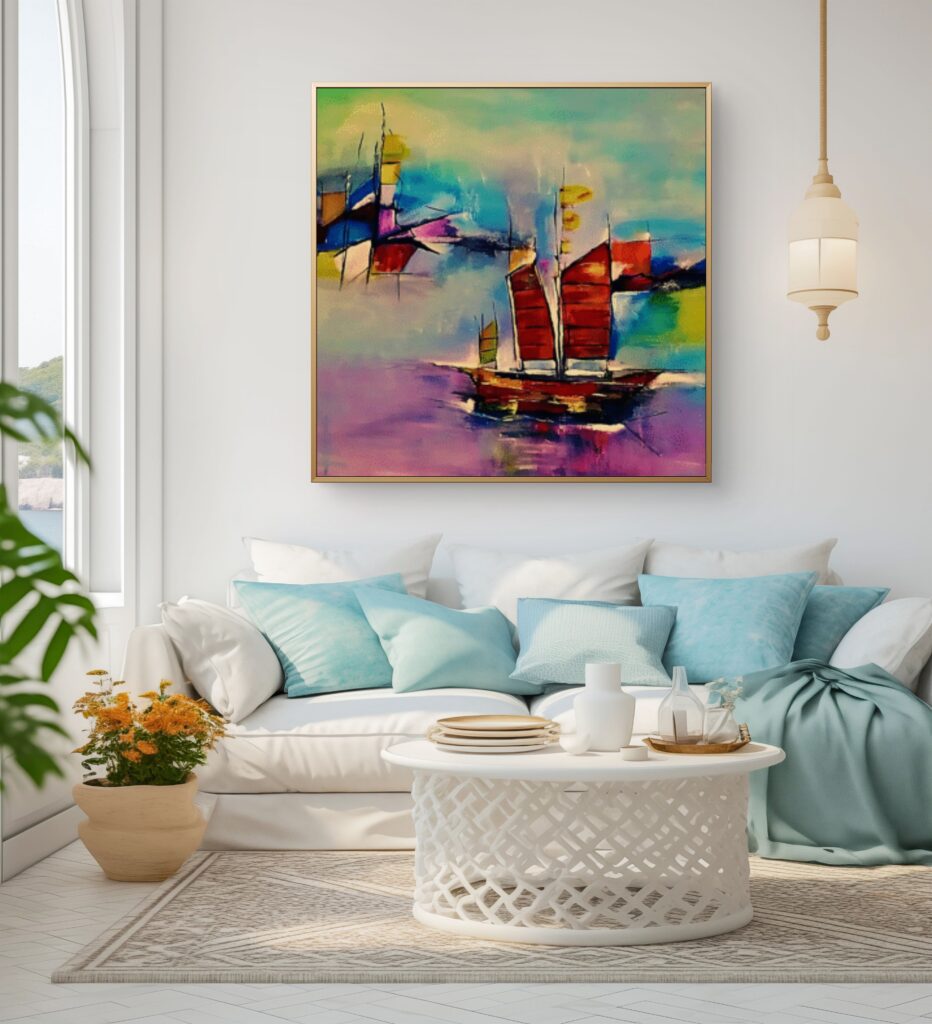
Another essential factor in how to identify high-quality original artwork is craftsmanship.
Quality artwork reveals careful attention to detail.
Signs of Strong Craftsmanship
Look for:
- Clean edges or intentional painted sides
- Composizione equilibrata
- Purposeful layering
- Consistent brushwork
- No accidental smudges or weak areas
A well-made painting feels visually complete from every angle.
Interior design experts often emphasize craftsmanship when selecting statement artwork for homes.
Publications like Architectural Digest highlight the importance of craftsmanship in art selection.
External resource:
https://www.architecturaldigest.com
Art market platforms such as Artnet also evaluate craftsmanship when assessing artwork value.
External resource:
https://www.artnet.com
Observe the Depth of Color
Color depth is another strong indicator of how to identify high-quality original artwork.
High-quality paintings often feature complex color layering that creates movement and visual interest.
Signs of Strong Color Quality
Look for:
- Rich pigment saturation
- Subtle color transitions
- Contrasting tones that create energy
- Layers of color that add depth
In contrast, lower-quality paintings often look flat or overly uniform.
Museums such as the Museum of Modern Art (MoMA) showcase how color layering creates dynamic artwork.
External resource:
https://www.moma.org
Ask About Authenticity and Documentation
Authenticity is a critical part of how to identify high-quality original artwork.
Professional artists usually provide clear documentation for their work.
Information a Professional Artist Can Provide
- Artwork title
- Medium (acrylic, oil, mixed media)
- Artwork size
- Year created
- Artist name and signature
Documentation builds trust and helps maintain artwork value over time.
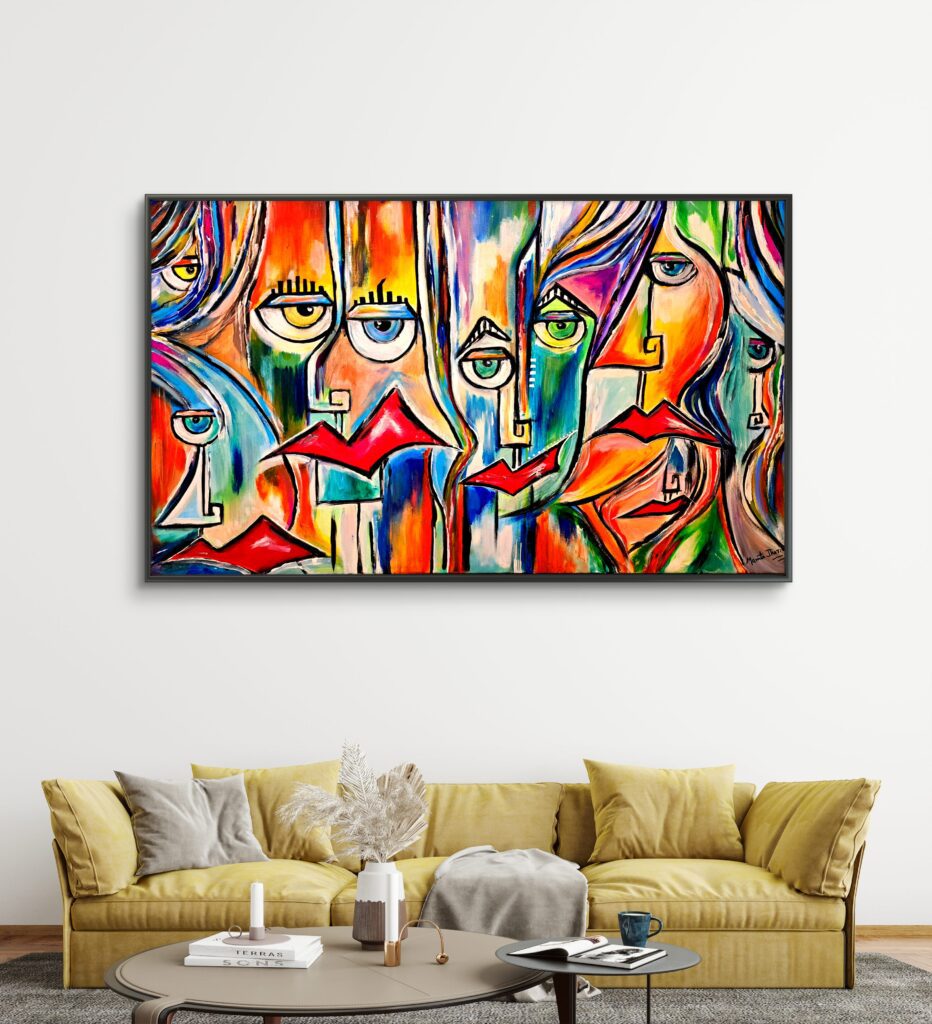
For example, this professionally presented painting includes full artwork details:
https://mamtajhariaart.com/product/interconnection-original-acrylic-painting/
Consider How the Artwork Lives in Your Home
Another useful step in how to identify high-quality original artwork is imagining how the painting will function in your space.
High-quality artwork should work well both visually and emotionally within your environment.
Evaluate Artwork from Different Distances
Look at the painting:
- From across the room (composition and balance)
- Up close (texture and detail)
Also consider lighting conditions.
If your room has softer lighting, choose artwork with strong contrast so the painting remains visible and impactful.
Interior designers often recommend placing artwork where it naturally draws attention.
Where to Explore Original Art and Canvas Prints
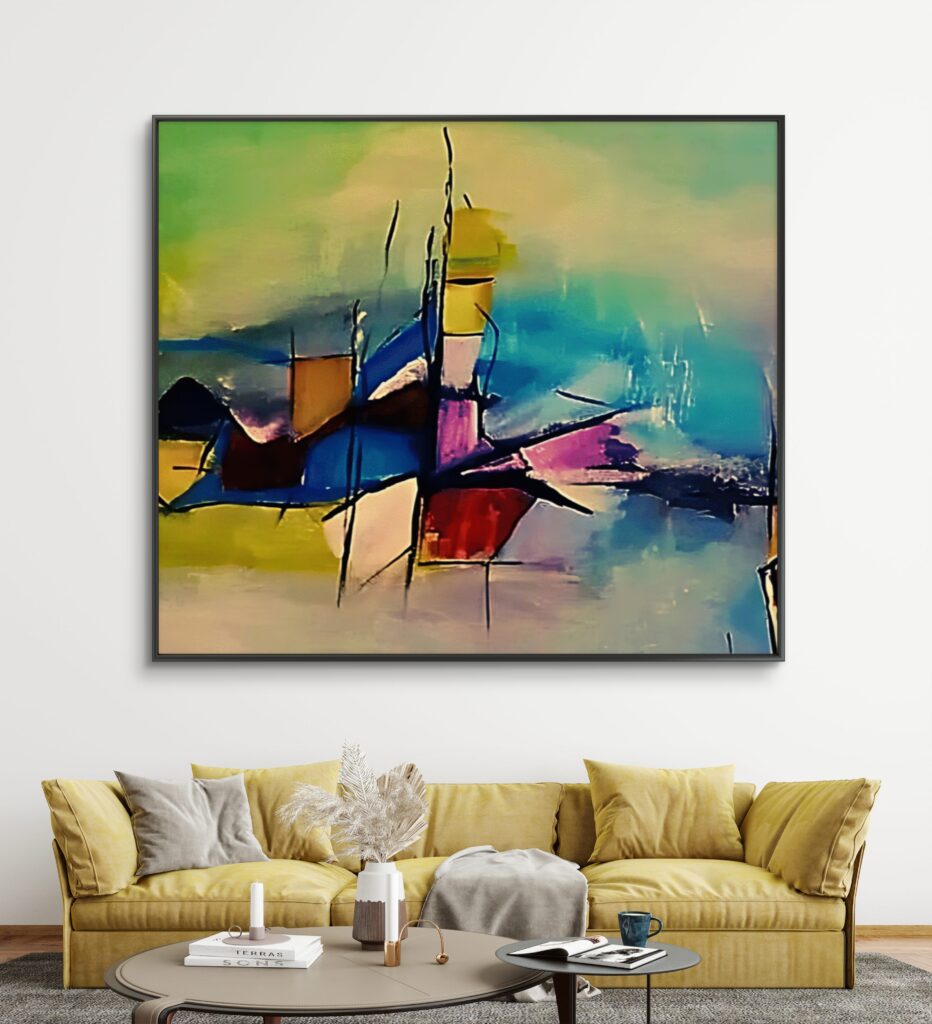
If you are searching for original artwork or canvas prints for your home, exploring curated collections can help you find high-quality pieces.
Browse original abstract paintings here:
https://mamtajhariaart.com/shop/
If you prefer canvas prints for flexibility and budget-friendly décor, this featured artwork is available:
https://mamtajhariaart.com/product-category/modern-art-prints/canvas-print-abstract-art/
Canvas prints can be excellent options when decorating multiple rooms or creating gallery walls.

Conclusion
Understanding how to identify high-quality original artwork allows you to make confident and meaningful art purchases.
High-quality artwork combines durable materials, skilled craftsmanship, rich color layering, and professional presentation.
When you choose original art carefully, you are not only decorating your home—you are investing in creativity, culture, and personal expression.
The best artwork is the piece that captures your attention, complements your space, and continues to inspire you every day.
 Italian
  English